Substance use
How Long Is Inpatient Rehab?
Inpatient rehab usually lasts 30 to 90 days. See what shapes that timeline, what a stay includes, and how to prepare before you go.

Written byDarren Lee, M.A., LPC
Clinical Director
Updated
5 min read · Substance use
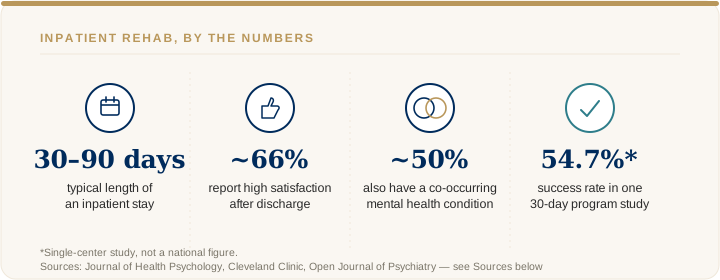
Inpatient rehab, also called residential rehab, typically lasts 30 to 90 days. If you’ve finished medical detox or aren’t yet stable enough to live independently while receiving treatment, this level of structured care can help. It comes with 24/7 supervision, evidence-based therapy, medication-assisted treatment (MAT) to ease cravings and withdrawal, and a range of wellness activities.
Inpatient rehab is well-supported as part of a broader treatment plan for long-term sobriety from different substance use disorders (SUDs) [1][2]. How long it lasts for any one person depends on the health center, the severity of symptoms and addiction history, and other individual factors. Knowing what to expect helps you prepare and engage more fully once you’re there.
What Is Inpatient Rehab?
Inpatient rehab means staying overnight at a health facility while receiving treatment for addiction. People choose it because it’s the recommended next step after medical detox, or because they aren’t ready to live or move through care independently yet.
The work itself focuses on the causes and triggers behind addiction, using evidence-based therapies including cognitive behavioral therapy (CBT) and dialectical behavioral therapy (DBT) to identify the thinking and behavioral patterns that fuel substance use, along with therapy to process the trauma that often sits underneath it.
Some centers offer MAT when it’s clinically needed, using FDA-approved medicines to reduce cravings and ease severe withdrawal symptoms. Activities such as yoga, meditation, and mindfulness complement treatment, building stress tolerance and emotional regulation alongside it.
Programs are run by licensed medical professionals who tailor treatment to individual needs and monitor progress around the clock. In one study of people recently discharged from inpatient SUD treatment, roughly two-thirds reported high satisfaction with the services they received [3].
How Long Does Inpatient Rehab Last?
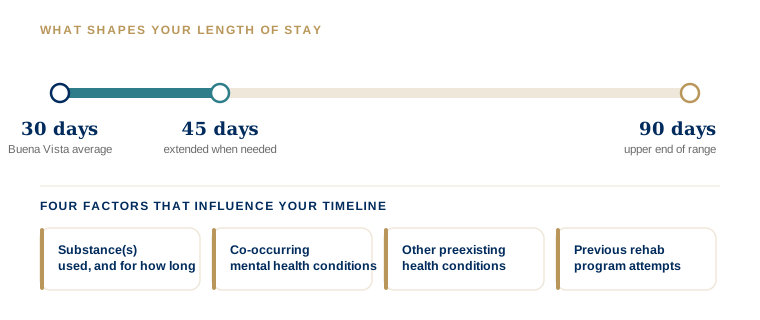
Inpatient rehab generally lasts 30 to 90 days. At Buena Vista Health & Recovery Center, our inpatient program runs 30 days on average and can extend to 45 days when needed. During that time, you receive group therapy twice daily plus individual sessions, can attend optional 12-step meetings, and have a case manager assigned from day one who oversees your progress.
One study at a 30-day residential program found a treatment success rate of approximately 54.7% among its clients [4] — a reminder that length of stay is one factor among several that shape outcomes, not a guarantee on its own.
Factors that can influence how long inpatient rehab lasts include:
- Which substance(s) you’ve been using, and for how long
- Whether you have co-occurring mental health disorders
- Whether you have other preexisting health conditions
- Whether you’ve previously attended a rehab program
What Does Inpatient Rehab Treat?
Anyone with an SUD can work toward recovery through an inpatient program. Some of the most common substances treated are:
Most inpatient programs also treat mental health conditions such as depression and anxiety alongside an SUD. Around half of people with an addiction will experience a mental health disorder at some point, and vice versa [5] — which is why dual diagnosis care is built into the program rather than treated as an add-on.
What Are the Benefits of Inpatient Rehab?
Inpatient rehab offers essential support at a critical point in recovery: a safe, calm, consistent space to regulate your nervous system, with a care team that guides you through the introspective work that improves physical and mental health, strengthens relationships, and moves you toward a more fulfilled life.
People also report valuing the social side of inpatient rehab. Peers in recovery become a support network — a place to share experiences and get honest feedback — which can help counter the isolation addiction often causes and contribute to better outcomes [6].
The immersive setting also means recovery gets your full attention. Without the distractions of work or daily pressures from the outside world, each day is spent finding and practicing tools for long-term abstinence.
Research into how people experience inpatient and residential care has found that active involvement in treatment and confidence in staff competence are among the factors most closely linked to a positive outcome [7] — one more reason a structured, clinician-led program tends to outperform going it alone.
How Can I Prepare for Inpatient Rehab?
However long your stay turns out to be, feeling prepared can lower anxiety and build trust in the process ahead. Some recommendations before starting:
- Have open, honest conversations about responsibilities you won’t be able to continue while in care, with family and your employer
- Build a support network of people who know about your treatment and recovery goals
- Pack comfortable clothes, bring ID, and bring any medications in their original containers with the prescription
- Set up payments for bills due while you’re away
- Check the health center’s policy on phone and technology use
- Keep a journal of your thoughts and feelings before entering rehab
Being “ready” for treatment has been linked to stronger engagement and retention in SUD care — found in one study to be more influential than socio-demographic, drug use, and other background variables combined [8]. If your stay is the result of a court order rather than your own decision, that same preparation still applies, and a plan for noticing relapse warning signs after discharge is worth building before you leave.
Inpatient Rehab at Buena Vista Health & Recovery Center, AZ
At our center in Arizona, we offer inpatient rehab to help you heal from substance use. Our program prioritizes safety and comfort: a team of licensed clinicians delivers your care, and you have your own room and bathroom, with catered meals throughout your stay.
We offer evidence-based therapies including CBT and DBT, administer MAT when clinically needed, and work at the pace that suits your recovery. We also offer a medical detox program, so if you’re at the very start of your journey, you can safely withdraw from substances and move into inpatient care afterward with less friction and a better chance at lasting change.
Speak with our admissions team today.
Sources
- de Andrade, D. et al. 2019. The effectiveness of residential treatment services for individuals with substance use disorders: A systematic review. Drug and Alcohol Dependence.
- Eastwood, B. et al. 2018. Effectiveness of inpatient withdrawal and residential rehabilitation interventions for alcohol use disorder: A national observational, cohort study in England. Journal of Substance Abuse Treatment.
- Zhang, Z., Gerstein, D., Friedmann, P. 2008. Patient Satisfaction and Sustained Outcomes of Drug Abuse Treatment. Journal of Health Psychology.
- Mohammad, A. et al. 2017. Addiction Treatment Aftercare Outcome Study. Open Journal of Psychiatry.
- Cleveland Clinic. 2025. Dual Diagnosis. my.clevelandclinic.org.
- Islam, M. et al. 2023. The Importance of Social Support in Recovery Populations: Toward a Multilevel Understanding. Alcohol Treatment Quarterly.
- Andersson, H., Otterholt, E., Gråwe, R. 2017. Patient satisfaction with treatments and outcomes in residential addiction institutions. Nordic Studies on Alcohol and Drugs.
- Joe, G. et al. 1998. Effects of readiness for drug abuse treatment on client retention and assessment of process. Addiction.