Medically supervised detox
You will be safe, and you will be looked after.

Detox here happens in a residential setting rather than a hospital ward, with nursing on site around the clock.

Coverage
Plans we work with


Do not see your plan? Call and we will check it. If we are not in network, we will say so and help you find somewhere that is.
Takes less than a minute. No commitment required.
Confidential · No pressure · No spam
The safest way through withdrawal
Medical detox is the short, supervised process of getting substances out of your body and through withdrawal, with a nurse and a doctor watching the whole way.
Staff check on you through the night, track your vital signs, and watch for the warning signs that matter — so nobody is guessing whether what they feel is normal.
A provider reviews your history before you arrive and stays involved, because withdrawal is a medical event and it deserves to be treated as one.
Comfort medication is the point of medical detox. You are not meant to grit your teeth through this, and our team adjusts your care as things change.
Alcohol and benzodiazepine withdrawal can turn serious quickly. If a situation ever needed hospital-level care, we coordinate that immediately.
Detox here is always a stay with us, in the building, with nursing a few steps away. That is what makes it safe when withdrawal moves faster than anyone expected.
What we detox from
You will not shock anybody on our admissions line. Whatever brought you here, we have seen it.
Shakes, sweats, and the fear of a seizure.
Fentanyl, heroin, oxycodone, Percocet, and other prescription painkillers.
Xanax, Klonopin, Ativan, and others.
More physically habit-forming than most people expect.
Meth and cocaine
Usually not, and we would rather tell you that than sell you a week of treatment you do not clinically need.
Our facility
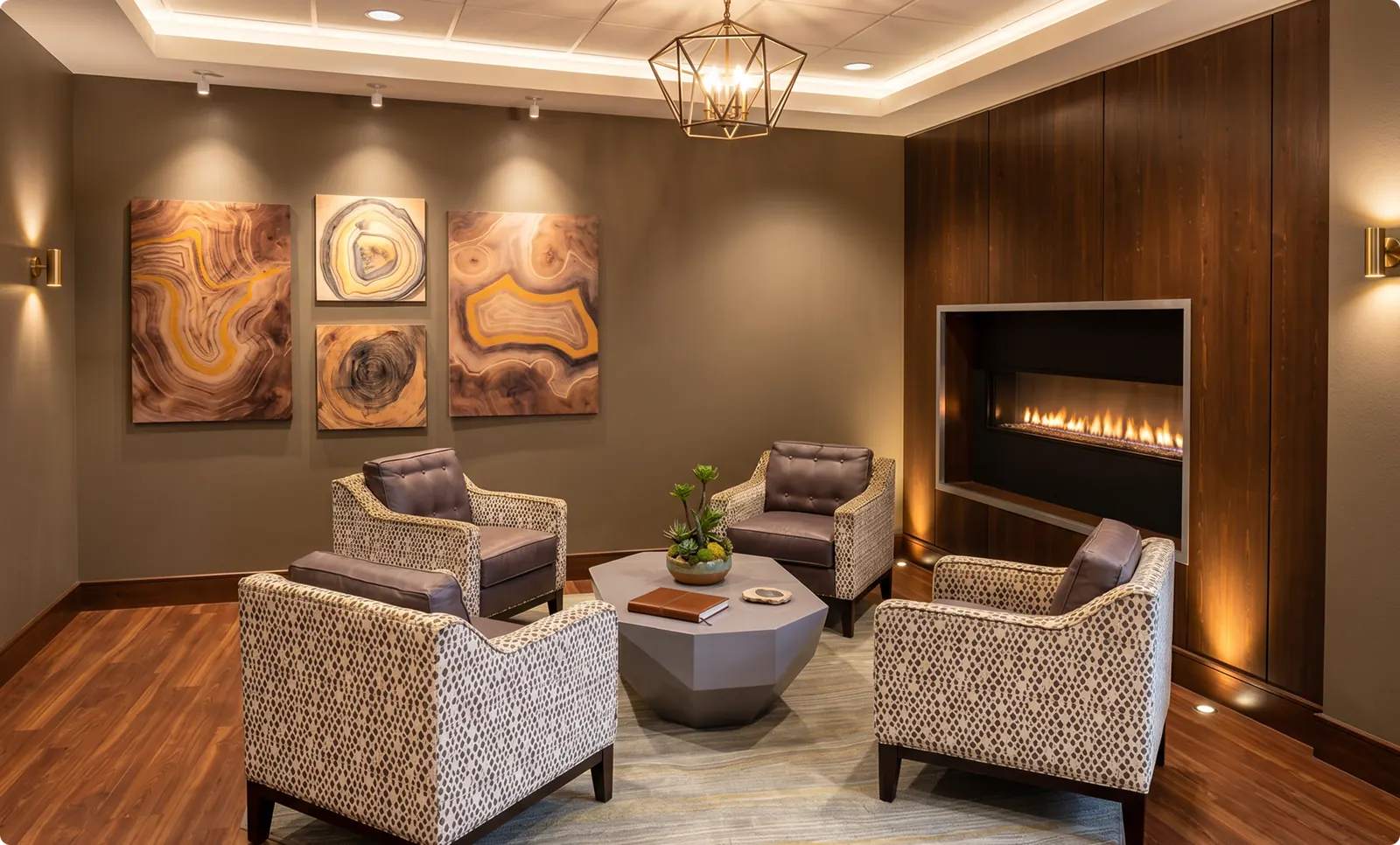
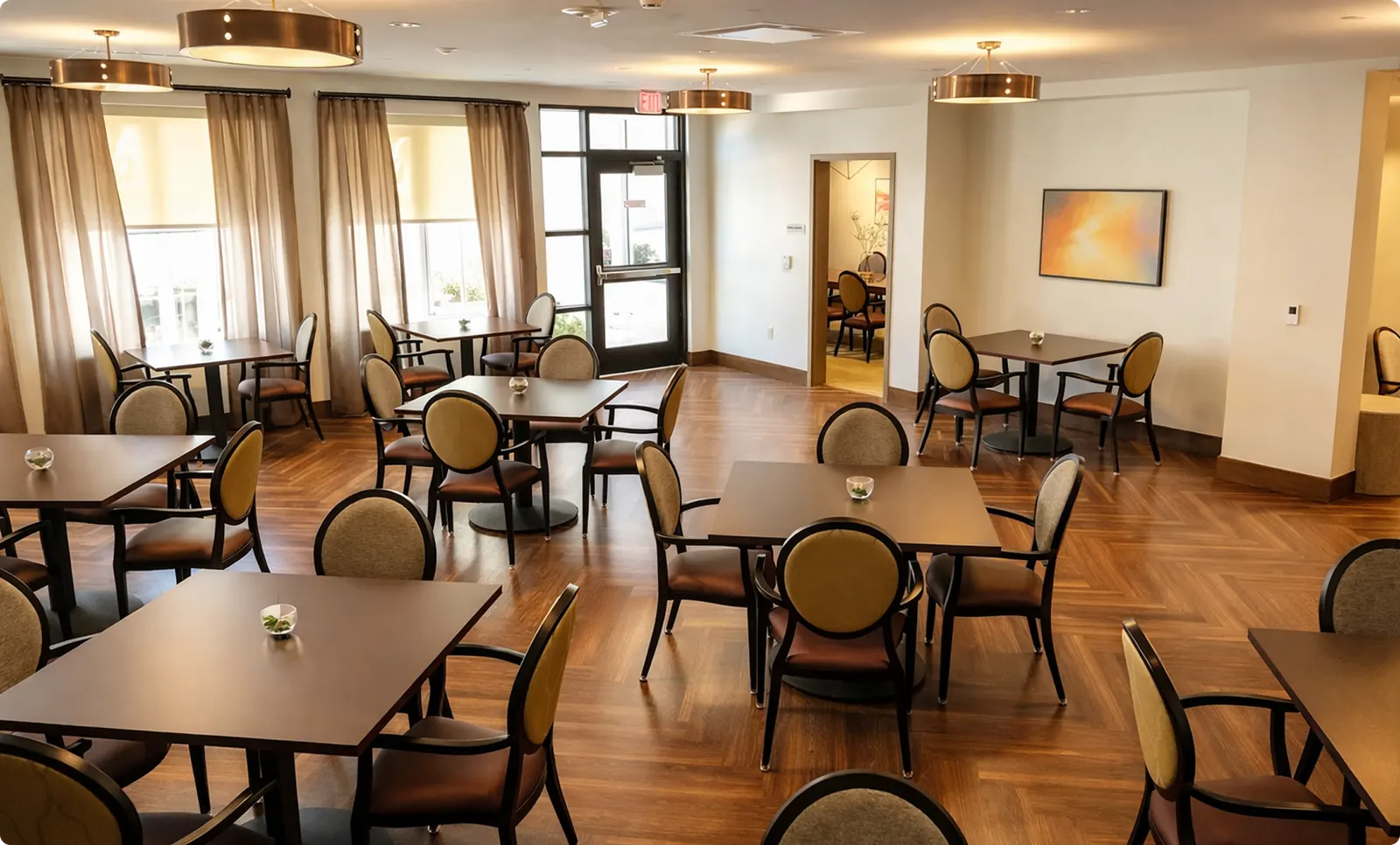
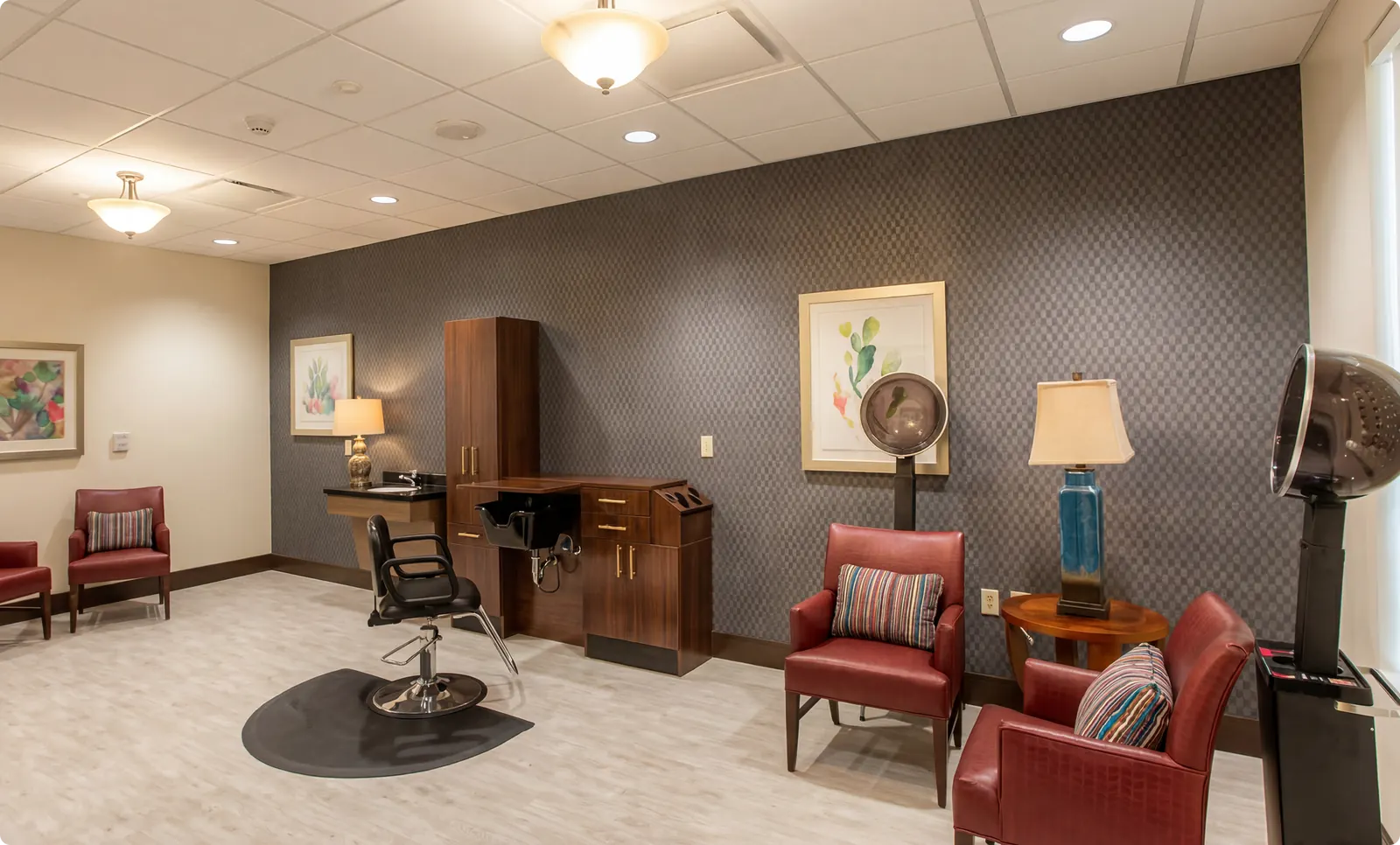
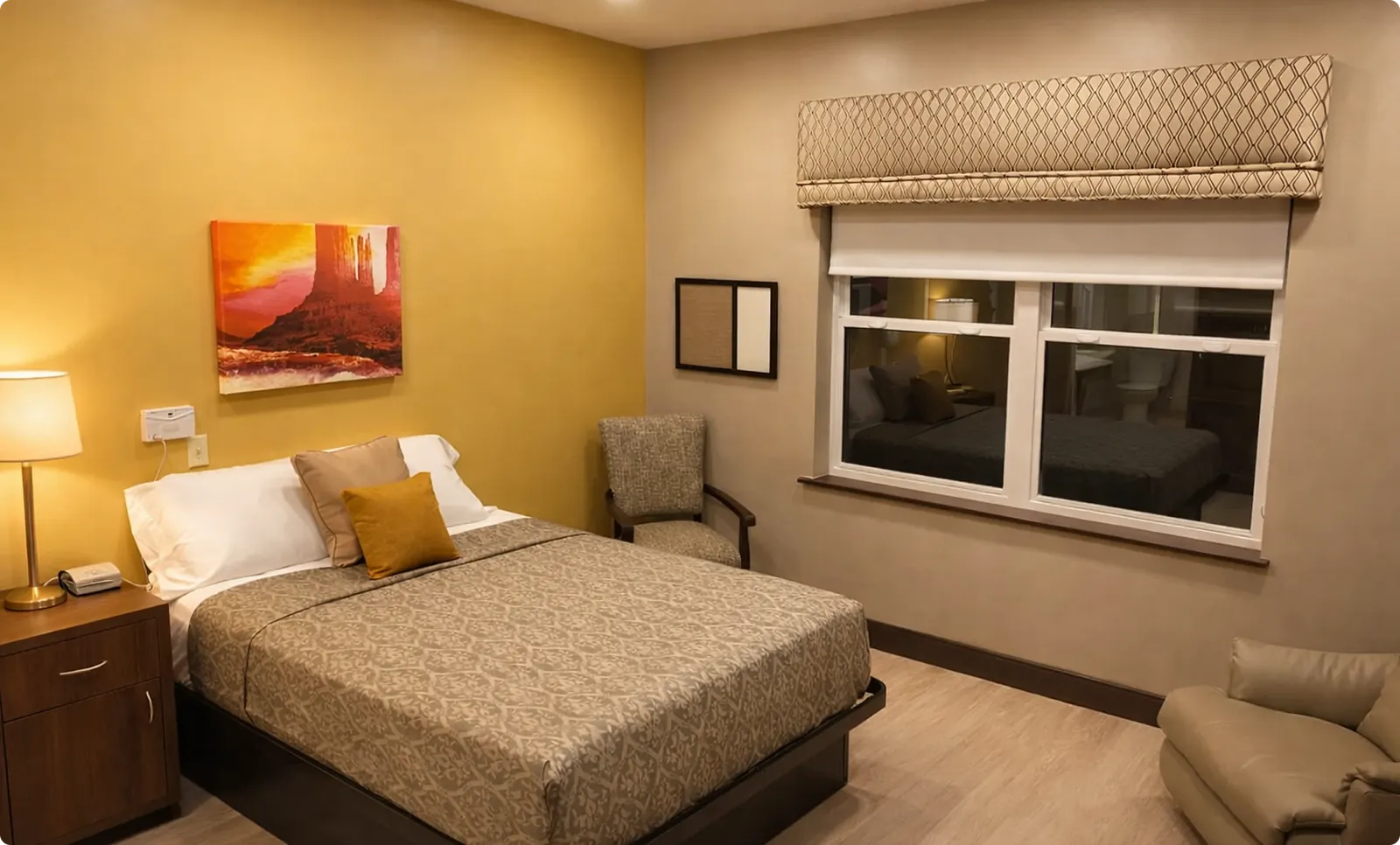
These are our rooms and our common spaces — not stock photography, and not a rendering. It is a real place, and it was built to feel like one.


What to expect
Most people picture something cold and clinical. Here is what really happens, so there are no surprises when you walk in.
The first call
Ten to twenty minutes about what you have been using, when you last used, your medical history, and any medications. We can do this even if you are using right now — being honest helps us keep you safe.
Before you arrive
A medical provider confirms detox is safe for your situation, we check your benefits, and we confirm a bed and a time. If getting here is the problem, say so and we can often arrange a ride locally.
Arrival
A private room with a private bathroom. Detox rooms are kept simple and calm on purpose; the TVs and the larger living space come with the residential step afterwards.
The first days
This part is mostly about being cared for while your body does hard work. Nurses come by around the clock, comfort medication eases the symptoms, and meals are brought to you.
As you steady
There is daily group support for people who want it. Nobody is dragged out of bed on day two — the early days are for stabilizing, and the rest comes when you are ready.
Around day five to seven
A case manager has been planning this with you since early on. For most people the next step is residential treatment, in the same building with the same team.
The two things everybody asks about
Phones are not permitted while you are in detox. It is a short window, and it is there so those first days belong to your safety and rest. Phone access starts when you move into residential, every evening from 4:00 to 9:00 PM.
Allowed on scheduled breaks, as long as what you bring is brand new and still sealed. Nobody is going to ask you to quit nicotine in the same week you are detoxing from something far harder.
Detoxing with other conditions
People assume a complicated medical history will get them turned away. It is the opposite: being medically supervised is precisely what makes detox appropriate when there is more going on.
High blood pressure
Liver disease
Cardiac history
Anxiety, depression, or PTSD
Tell our team everything during your phone assessment: the medications, the diagnoses, the things you would rather not mention. That is what lets a provider plan your detox properly.See how we treat mental health alongside substance use →
Reviews
Reviews are published from Google with written consent and lightly condensed for length; wording is unchanged. These are individual experiences and are not a guarantee of any particular outcome. Reviewers were not compensated.
What happens next
Getting substances safely out of your body is essential, but on its own it is not treatment. It is the part that makes treatment possible. That is why your case manager starts planning your next step while you are still in your detox room.
For most people that next step is residential treatment — moving into more comfortable housing here and starting the therapeutic work. Because both happen under one roof, you do not have to find a second facility or tell your story to a whole new team.
The same team
The people who cared for you through detox are the people who carry you into what comes next.
A case manager
Yours from early on, coordinating the next level of care, sober living, or ongoing support.
Somewhere to go
You leave with a plan and people in your corner, rather than a discharge date and a car park.
No starting over
No second admission, no repeating your history, no gap between finishing detox and beginning treatment.
Getting in
Most of it happens on one phone call, and often on the same day.
Answered day or night
Ten to twenty minutes
While you are on the line
Confirming this is a safe fit
Often the same day
We can arrange the ride
Call before you come, and we will have everything ready for you. The phone assessment and the benefits check are what let us hold a bed, complete the provider review, and meet you at the door instead of leaving you waiting at it.
Detox FAQ
These are the real questions our admissions line fields, answered the same way we would answer them on the phone.
Medically supervised detox is the safest way to withdraw from alcohol, opioids, and other substances — safety is exactly why it exists. At Buena Vista you're under 24/7 nursing care with physician oversight, and our medical team uses comfort medications to manage your symptoms and keep you stable the whole way through. You're never left to tough it out alone. This matters most with alcohol and benzodiazepines, where withdrawal can genuinely be dangerous — seizures and delirium tremens are real risks when people try to quit cold turkey on their own, and that's the specific danger medical detox is designed to prevent. Our staff monitors your vital signs, watches for warning signs, and steps in immediately if anything changes. If a situation ever needed hospital-level care, we're equipped to coordinate that quickly too.
Often, yes — same-day admission is possible when we have a bed available, and our admissions line is answered around the clock. We know that when someone is finally ready, or when a family is watching a loved one in withdrawal, waiting even a few hours can feel unbearable. Here's how it works: you call, we do a brief phone assessment (about 10 to 20 minutes) — and yes, we can do this even if you're currently using or under the influence — we verify insurance or discuss private pay, and a provider reviews everything to confirm detox is safe for your situation. Once a bed is confirmed we schedule intake, and in many cases that happens the same day. If we don't have a bed open the moment you call, we'll be honest about the earliest availability and take your information so we're ready the instant a spot opens. One thing to know: we don't take walk-ins, so please always call first.
For most people, medical detox at Buena Vista takes about five to seven days, though the exact length depends on the substance you're detoxing from, how much and how long you've been using, and how your body responds. Some people are ready to step down sooner; others — particularly with certain substances or medical complications — may need a little longer, and our team lets your body and your clinical picture set the pace rather than a rigid clock. The goal is to get you safely and comfortably through the acute withdrawal period so you're stable enough to begin the real work of recovery. When you call, we'll ask about your history so we can give you a realistic sense of what your own timeline might look like.
We provide medically supervised detox for alcohol, opioids and fentanyl (including heroin and prescription painkillers like oxycodone and Percocet), benzodiazepines, and other substances. Alcohol and opioid detox are the most common, and we're equipped to manage the withdrawal that comes with each. A quick, honest note about stimulants like methamphetamine and cocaine: their withdrawal works differently and usually doesn't require the same kind of medical detox that alcohol or opioids do. If stimulants are your main concern you're still absolutely welcome — during your assessment we'll figure out the right starting point for you, which may be moving directly into residential treatment or a short period of observation rather than a traditional detox.
Detox at Buena Vista is always an inpatient stay — you stay with us in our facility, where our medical team can monitor and support you 24/7. That is a safety decision rather than an inconvenience. Withdrawal from substances like alcohol and benzodiazepines can become dangerous quickly and unpredictably, and being somewhere with round-the-clock nursing and immediate medical support is what keeps you safe if things escalate. Once you've completed detox with us, lower levels of care become the right next steps — but the detox itself should happen under a watchful medical eye.
You'll have your own private room with a private bathroom — not a shared ward — which surprises a lot of people who expect detox to feel cold and institutional. Nurses and staff are present around the clock, checking on you and providing comfort medications to ease withdrawal symptoms as they come. Meals are provided, and there's daily group support for those who feel up to it, though the early days are really about rest and letting the medical team keep you stable. A few honest logistics: during detox phones aren't permitted — those first days are about your safety and healing without outside stress, and phone access begins once you move into residential, from 4:00 to 9:00 PM each evening. Detox rooms are kept simple and calm, so the TVs and larger living space come with the residential step. If you smoke or vape, that's allowed on scheduled breaks as long as you bring sealed, unopened products.
Yes. Comfort medications are a core part of medically supervised detox — the goal is to ease your symptoms and keep you safe, not to have you white-knuckle through withdrawal. Our medical team assesses what you need based on the substance you're detoxing from and your individual health, and adjusts your care as you move through the process. Every person's plan is a little different, and specific medication decisions are always made by our clinical team with your safety first. If you're currently taking prescriptions — or if you're on a medication like methadone or buprenorphine — it's important to tell us during your phone assessment so our providers can plan appropriately and safely.
It's important to be upfront about this during your assessment, because it shapes your medical plan. Buena Vista does not dispense or start methadone on-site — we're not a methadone clinic. If you're currently established with a methadone provider, our team can talk through how to coordinate, and in some cases our providers may determine that a buprenorphine-based medication (such as Suboxone or Subutex) is clinically appropriate as part of your care. Being on methadone isn't automatically a barrier, but it does affect how your detox is handled, so honesty on the phone helps us keep you safe. And if it turns out our program isn't the right medical fit for your specific situation, we won't leave you without options — our team routinely helps people find an appropriate provider so your care stays safe and continuous.
Pack light and simple. Our admissions team tells people to bring a few days' worth of comfortable clothing, since you'll be with us about a week; new, unopened, alcohol-free hygiene products, as many toiletries contain alcohol; any necessary medications or prescriptions you're currently taking so our medical team can review and manage them; and if you smoke or vape, brand-new sealed cigarettes or disposable vapes. Please leave alcohol-based products, weapons, and any outside substances at home. If you're arriving with nothing but the clothes you're wearing, that's completely okay — we've helped many people start exactly there. When you call, feel free to ask about anything you're unsure of.
During detox, phones are not permitted. Those first several days are focused entirely on your safety, rest, and physical stabilization, without the stress and distraction of the outside world. It's a short window, and it's there to protect your healing at the most fragile stage. Once you complete detox and step into residential treatment, you'll have phone access every evening, typically from 4:00 to 9:00 PM, so you can stay connected to the people who matter. If you're a parent or caregiver worried about being reachable, tell our team during your assessment — they're used to helping people balance responsibilities with the space they need to get well.
Many plans do, and the fastest way to know for sure is to call — we'll verify your specific benefits in just a few minutes and explain exactly what's covered before you commit to anything, with no obligation. We work with a range of insurance plans and also offer private-pay options. One thing worth knowing: some plans cover detox but have different rules for residential treatment, and occasionally the reverse, so a quick verification call is the best way to understand your full picture. Have your insurance card handy if you can; if you don't have it in front of you, we can often still look things up with your basic information. And if we're not in-network with your plan, we'll tell you honestly and, where we can, point you toward reputable options that are.
Detox is the first step, not the whole journey — and planning for what comes next starts while you're still with us. Getting substances safely out of your body is essential, but it's the treatment that follows that helps you stay well, so your case manager begins mapping your next step from early on. For most people the recommended next step is residential treatment, where you move from your detox room into more comfortable residential housing and begin the therapeutic work — groups, one-on-one therapy, and building the tools and support system for lasting recovery. From there the continuum steps down through partial hospitalization, intensive outpatient and outpatient treatment, all of it in the same building, so you don't have to find a new facility or start over with a new team at any point. Your case manager coordinates the details, including help finding sober living for the later phases.
Buena Vista's detox program is coed and serves adults, and our admissions team doesn't cite an upper age limit — what matters is that detox is medically appropriate and safe for you. Because this is a residential setting rather than a hospital, clients generally need to be independent and able to move about on their own. One specific note on coverage: Buena Vista is not Medicare-certified, so we're not able to accept Medicare or Medicare Advantage plans; Medicare-covered detox usually happens in a hospital or psychiatric setting. If you have questions about whether our program is the right fit for your situation or your health needs, just ask during your phone assessment — we'll give you an honest answer and help you find the right place if we're not it.
Yes. As a healthcare provider we follow strict federal privacy laws — including HIPAA and the additional confidentiality protections that apply specifically to substance use treatment — which means we cannot share information about your care, or even confirm that you're here, without your written permission. You also control who gets to be involved. If you want a spouse, parent, or trusted person to be able to check in, you can authorize that; if you'd rather keep things completely private, that's your right. When you call, our team can walk you through exactly how this works so your wishes are documented from the start.
The thing people tell us again and again is that here, even in detox, they were treated like a person rather than a number. A lot of that is our staff — many of them have been through recovery themselves, so the care you feel is real, not rehearsed, and there's no judgment in it. When you're at your lowest and most ashamed, that difference is everything. It's also in the details. You get your own private room and private bathroom during detox, not a shared ward. You're kept as comfortable as possible with medications and around-the-clock nursing. And because detox here is the first step of a full continuum, you're not handed off to strangers at every stage. Finally, we try to make reaching out as easy as possible: the phone is answered day or night, and we can often get you in the same day.
We answer at any hour of the day or night. There is nothing you have to decide on that first call, and nothing you need to have worked out before you make it.
Call (888) 362-5576