Methamphetamine treatment

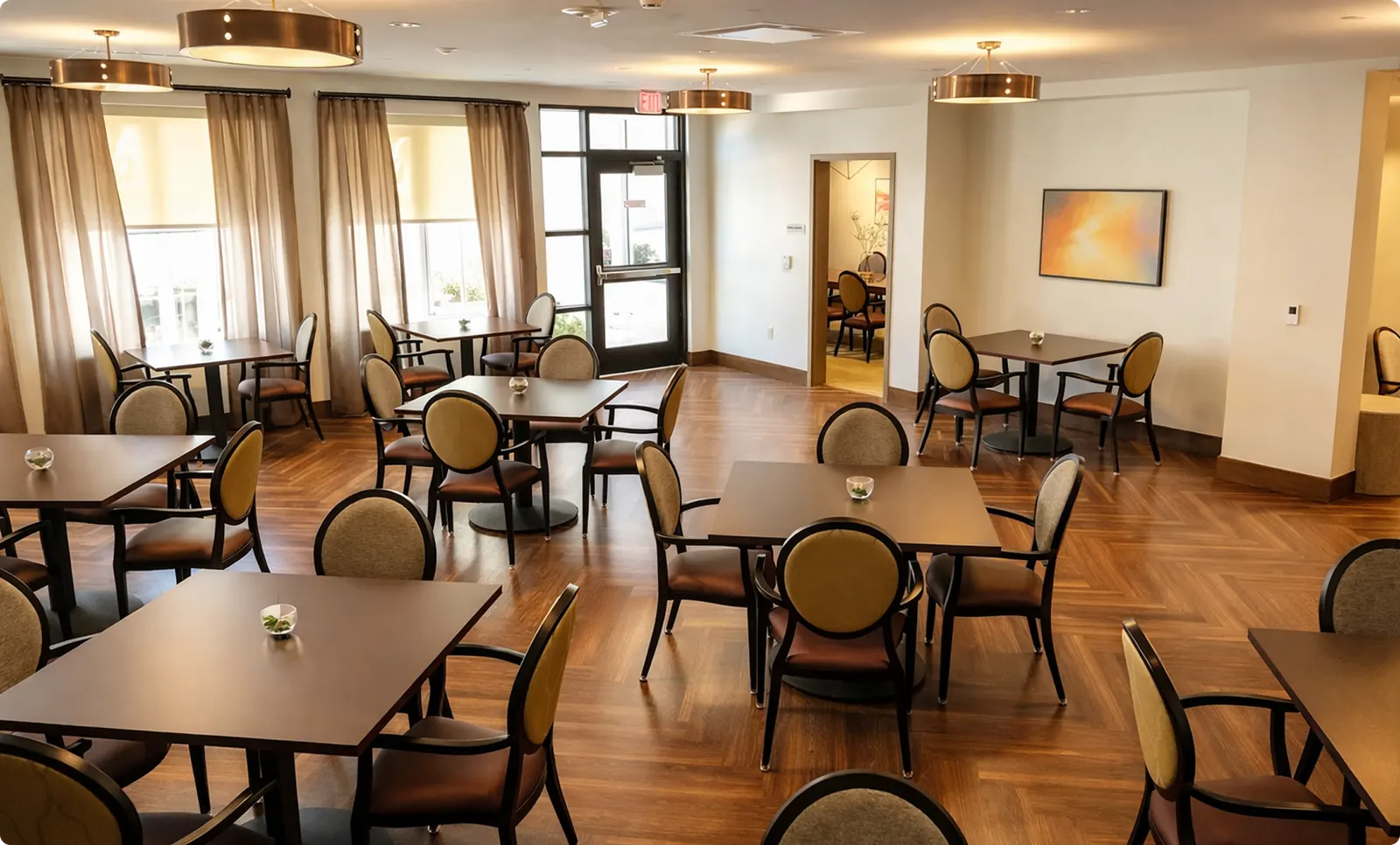
Real meals and as much sleep as you need, which is most of what the first days are.
Where you would start
This surprises people, and it is worth knowing before you call. Alcohol and benzodiazepines can make the body genuinely unsafe when they stop, which is what a medical detox is built for. Meth does not work that way — the difficulty is real, but it is not that kind of medical emergency.
So for meth on its own, treatment tends to begin with residential care rather than a detox stay: thirty days or so of structure, therapy and rest, starting from the day you arrive.
Where it changes is when something else is in the mix, and it very often is. Fentanyl and alcohol alongside meth are common, and either of those does mean a supervised detox first.
However long it has been going on, you are welcome here. Years of it, a recent relapse, a stretch of sobriety that came apart. All of it is ordinary, and none of it changes how you are treated when you walk in.
Stopping meth does not put the body in the kind of danger that alcohol or benzodiazepines do, so there is usually no separate medical detox stage. Treatment starts with residential care — a bed, a routine, and clinical support through the worst of the comedown.
Using more than one thing is the norm rather than the exception, and when opioids or alcohol are in the picture a supervised detox comes first. Both happen in the same building, so it is one admission rather than two.
Being on a maintenance medication does not rule you out of treatment. Raise it early in the conversation so the clinical team can plan around it properly before you arrive.
What it actually feels like
The low that follows heavy meth use is not a character failing and it is not permanent. It is what a depleted brain does while it recovers, and it lifts — but while it lasts it can be genuinely bleak, and low mood or thoughts of not wanting to be here are a recognized part of it.
Paranoia and hearing or seeing things can linger for a while too. Both are treatable, both are more common than people admit, and neither is something you will be judged for describing.
All of it is easier with medical staff on site, medication where it helps, and someone checking on you.
If you are having thoughts of ending your life right now, call or text988 for the Suicide & Crisis Lifeline, any hour. If someone is in immediate danger, call 911. You can call us afterwards.
Mostly sleep. People arrive having been awake for a long time and the body takes what it is owed. Nobody will wake you for a group session on day one.
Flat, foggy, and hungry. Food starts tasting like something again. This is the stretch where being somewhere with a routine matters most, because on your own it is the easiest time to go back.
Sleep settles, energy returns unevenly, and the cravings arrive in waves rather than constantly. This is when the therapy starts doing real work, because there is finally someone home to do it.
Reviews
Reviews are published from Google with written consent and lightly condensed for length; wording is unchanged. These are individual experiences and are not a guarantee of any particular outcome. Reviewers were not compensated.
Coverage
Plans we work with


Do not see your plan? Call and we will check it. If we are not in network, we will say so and help you find somewhere that is.
Takes less than a minute. No commitment required.
Confidential · No pressure · No spam
Getting in
Most of it happens on one phone call, and often on the same day.
Answered day or night
Ten to twenty minutes
While you are on the line
Confirming the right level
Often the same week
We can arrange the ride
Call before you come, and we will have everything ready for you. The phone assessment and the benefits check are what let us hold a bed, complete the provider review, and meet you at the door instead of leaving you waiting at it.
Straight answers
Usually not a separate one. Meth does not put the body in the kind of danger that alcohol or benzodiazepines do when they stop, so treatment normally begins with residential care rather than a detox stay. If you are also using fentanyl, other opioids or alcohol, then a supervised detox does come first — and that happens in the same building.
Access covers residential treatment, and it is how a great many people here are funded. Banner University Family Care is in network with us, and further plan contracts are being added. Give us the plan name on your card and we will check it while you are on the phone.
Yes, and that combination is a very familiar one. It usually means starting with a medically supervised detox for the fentanyl before moving into residential treatment, both under the same roof and as one admission.
Residential stays are commonly around thirty days, and often somewhat longer where a plan authorises it. What you need is decided with your case manager rather than fixed in advance.
Yes, and a great deal of it in the first few days. Arriving exhausted is the norm and the schedule accommodates it. Rest is treated as part of the recovery rather than something to get through before the real work starts.
Bring it up on the first call. Plenty of people arrive having arranged protected leave, and knowing your timing lets us plan the stay around it where that is possible.
Say so early. Legal obligations are common among the people we treat and they can usually be worked around — your case manager can help with documentation and scheduling while you are with us.
Then you already know more about this than someone arriving for the first time. Coming back is the ordinary shape of recovery for a lot of people, and there is no limit on how many times you are allowed to try.
We answer at any hour of the day or night. There is nothing you have to decide on that first call, and nothing you need to have worked out before you make it.
Call (888) 362-5576