Alcohol
Warning Signs of Alcohol Relapse
Relapse is common in alcohol recovery, but it isn't failure. Learn the warning signs, common triggers, and what a relapse means for recovery.

Written byDarren Lee, M.A., LPC
Clinical Director
Updated
5 min read · Alcohol
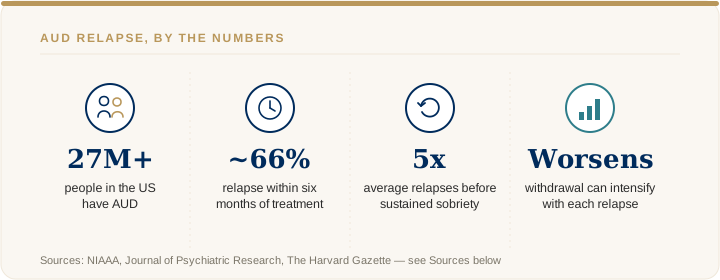
Relapse is a common part of recovering from alcohol use disorder (AUD), not a sign that treatment failed or that someone lacks willpower. Research shows around two-thirds of people relapse within six months of finishing treatment for AUD [1], and on average, people relapse five times before reaching sustained sobriety [2].
Alcohol is one of the most socially accepted substances to use, which makes both the addiction and a relapse harder to spot. More than 27 million people in the U.S. have AUD [3], but only around 7.6% of people with past-year AUD receive treatment for it [4].
Knowing the warning signs of alcohol relapse can help you or someone you love respond early, rather than after the fact.
What Does “Relapse” Mean?
Relapse means drinking again after a period of abstinence, usually following structured treatment such as medical detox or an inpatient or outpatient program. It can happen to anyone recovering from AUD, at any point in recovery. People who are more likely to relapse include those who:
- Drink high volumes of alcohol
- Have a history of previous relapses
- Are younger in age
- Have a co-occurring mental health disorder
- Use other substances while drinking alcohol
- Have neurotic or impulsive personality traits [5]
None of this makes relapse a sign of failure. Addiction changes how the brain functions and how people behave in order to seek and use alcohol — which is exactly why it so often takes more than one attempt to reach lasting sobriety.
Signs Alcohol Relapse May Happen Soon
Most people recovering from AUD choose a teetotal approach, avoiding alcohol entirely and treating any use as a relapse. Many also stay away from places, events, and people that used to put alcohol in front of them. That makes certain changes easier to notice before a relapse happens:
- Low or changing emotional states. Anxiety, depression, boredom, and loneliness can drive someone to alcohol to numb uncomfortable feelings, or toward social events where alcohol is present to escape them.
- Challenges in relationships. A break-up, conflict, or an ongoing problem can make alcohol feel like a coping mechanism or an escape.
- Being in settings with alcohol. Social events, celebrations, and situations with peer pressure remove obstacles between someone and a drink.
- Isolating. Avoiding family or friends and not answering calls cuts off the outside support that normally helps someone step back from alcohol use.
- Reconnecting with people from the past. If old drinking companions resurface, or someone starts returning to places where they used to drink, that can signal they are reengaging with past behaviors.
- Out-of-character behavior. Strange comments, changed routines, and over-explaining can be signs someone is overcompensating for behavior they feel ashamed of.
- Stopping prescribed medication for AUD. Ending medication-assisted treatment (MAT) suddenly, or skipping doses, can mean someone is losing the structure that was keeping them in recovery.
These signs are not always visible before someone relapses. If you could not see it coming, that is not a failure on your part — in some cases, it simply is not possible to predict.
Common Relapse Triggers
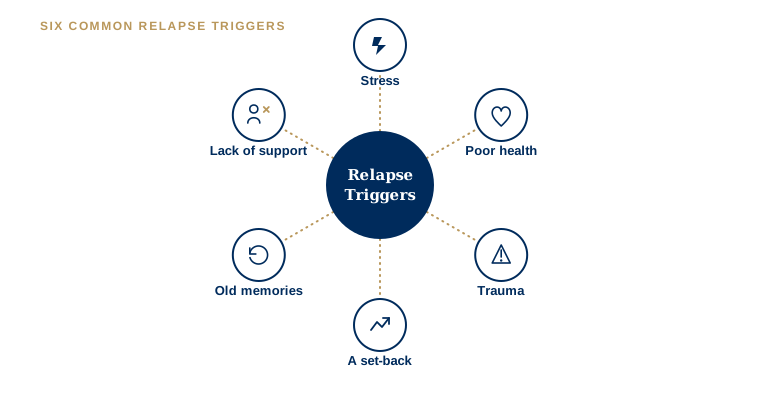
Relapse triggers are internal or external cues that raise the odds of drinking again. The most common ones include:
- Stress, usually from work pressure, daily responsibilities, or financial worry.
- Poor health, including medical issues or mental health challenges.
- Trauma, notably the death of a loved one or another distressing life event.
- A set-back in recovery, such as missing a treatment appointment or progressing more slowly than hoped.
- Associative memories, like seeing someone from the past, revisiting a place, or reminiscing about drinking.
- Lack of support, from isolation or an absence of family, friends, and accessible resources.
Effects of Relapse on Recovery
Relapse is a chapter in many people’s recovery story, but it does not have to end it. A person can relapse and still go on to reach sobriety.
When it does happen, AUD relapse can raise the risk of alcohol poisoning, since someone may not be able to control their intake after a period of abstinence, and may need another round of medical detox as a result. Tolerance can drop too, so a person becomes intoxicated faster than they expect, putting them at greater risk of injury. Relapse can also place renewed stress on the liver and other organs already affected by past alcohol use, and the “kindling effect” means withdrawal symptoms can become more severe with each relapse episode [6].
Feelings of shame and lost confidence can follow, along with a temporary disconnect from the coping skills and people who normally help someone avoid triggers. These effects are real, but they can be addressed with the right care — including, for some, returning to alcohol addiction treatment or a period of inpatient care for renewed structure and support.
Alcohol Addiction Treatment at Buena Vista Health & Recovery Center, AZ
At our center in Arizona, we offer medical detox and inpatient programs for anyone struggling with AUD, whether this is a first attempt at treatment or a return after a relapse. Our team of licensed clinicians delivers personalized care in private residences, where you have your own room and bathroom and catered meals, so you can heal with dignity.
Our programs integrate evidence-based therapies including cognitive behavioral therapy (CBT) and dialectical behavioral therapy (DBT), and we administer medication-assisted treatment (MAT) when it’s clinically needed. We work at the pace that suits your recovery.
We welcome anyone who has relapsed. We don’t judge — we help. Contact our admissions team today.
Sources
- Nguyen, L. et al. 2021. Predicting Relapse After Alcohol Use Disorder Treatment in a High-Risk Cohort: The Roles of Anhedonia and Smoking. Journal of Psychiatric Research.
- The Harvard Gazette. 2026. Warning signs of alcohol-use disorder relapse. news.harvard.edu.
- National Institute on Alcohol Abuse and Alcoholism. 2025. Alcohol Use Disorder (AUD) in the United States: Age Groups and Demographic Characteristics. niaaa.nih.gov.
- National Institute on Alcohol Abuse and Alcoholism. 2025. Alcohol Treatment in the United States. niaaa.nih.gov.
- Yadav, P. et al. 2021. Personality traits associated with Alcohol Dependence Syndrome and its relapse. Medical Journal Armed Forces India.
- Becker, K. 1998. Kindling in Alcohol Withdrawal. Alcohol Health & Research World.